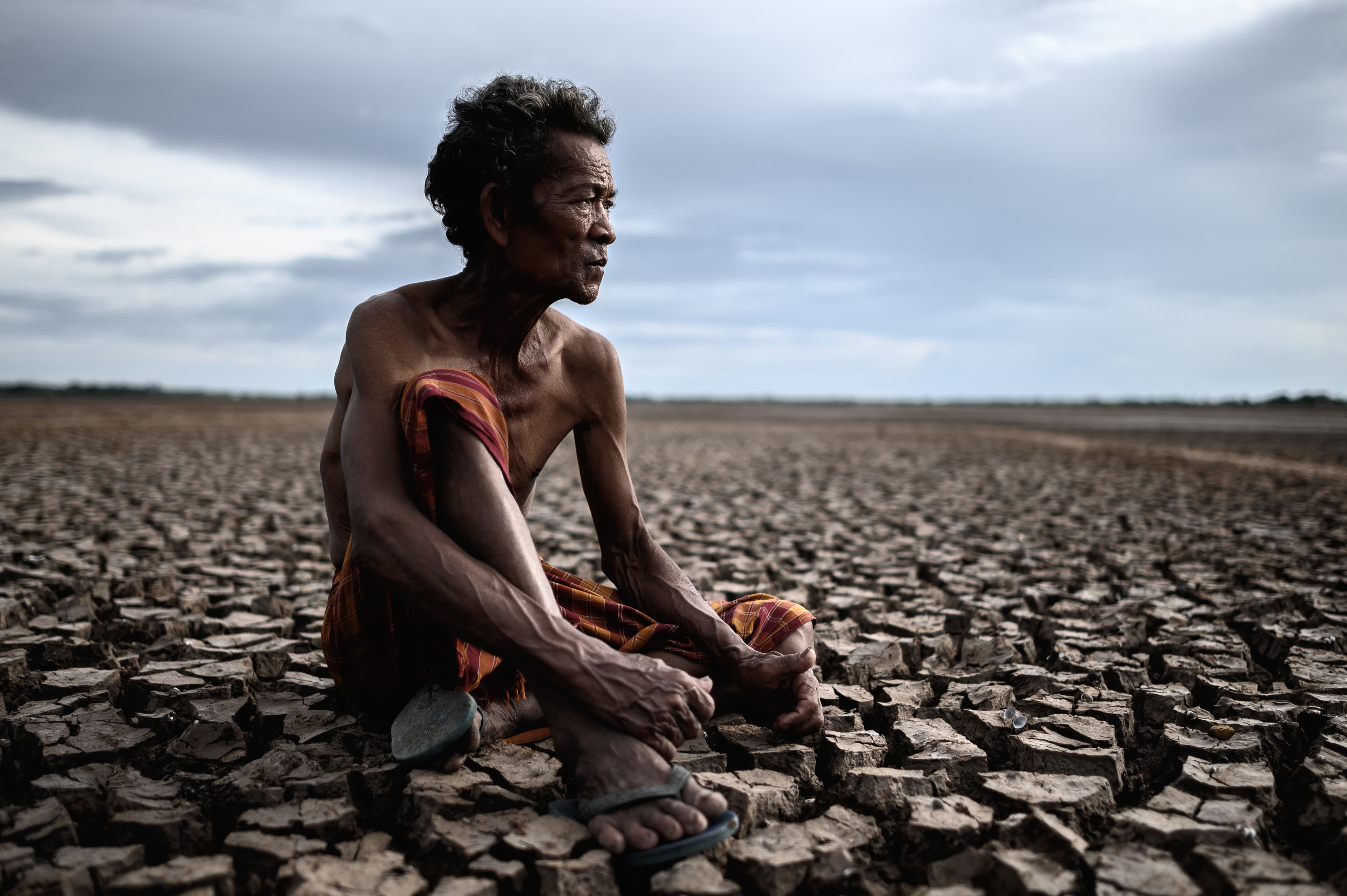
Climate Vulnerability
Utilizing AI for climate modeling and disaster response optimization to protect African communities
Building Climate Resilience Through AI
Africa is among the most vulnerable continents to climate change, facing increased frequency of droughts, floods, extreme weather events, and rising temperatures. These challenges threaten food security, water resources, infrastructure, and the livelihoods of millions of people across the continent.
Our Climate Vulnerability initiative harnesses the power of artificial intelligence to help African nations better understand, predict, and respond to climate-related challenges. By developing sophisticated climate models, disaster response systems, and resilience planning tools, we empower communities and governments to protect lives and build sustainable futures in the face of a changing climate.
Climate Prediction Models
Advanced AI models analyze historical climate data, satellite imagery, and weather patterns to predict extreme weather events, droughts, and flooding with greater accuracy than traditional methods.
- •Multi-source data integration
- •Real-time weather forecasting
- •Long-term climate trend analysis
- •Regional climate pattern recognition
Disaster Response Coordination
AI-powered coordination platforms optimize emergency response efforts during natural disasters, enabling faster resource allocation and more effective evacuation planning.
- •Real-time resource tracking
- •Evacuation route optimization
- •Emergency communication systems
- •Damage assessment automation
Environmental Monitoring Systems
Continuous monitoring of environmental indicators including air quality, soil conditions, water resources, and deforestation to track climate impacts and inform policy decisions.
- •IoT sensor integration
- •Satellite imagery analysis
- •Deforestation detection
- •Carbon footprint tracking
Resilience Planning Tools
Data-driven tools help communities and governments develop climate adaptation strategies, assess vulnerabilities, and plan infrastructure that can withstand future climate challenges.
- •Vulnerability assessments
- •Adaptation strategy recommendations
- •Infrastructure resilience modeling
- •Cost-benefit analysis tools
Impact & Results
Real-World Applications
Early Warning Systems
Our AI-powered early warning systems analyze multiple data sources to predict droughts and floods weeks or months in advance, giving communities time to prepare and adapt. These systems have successfully alerted agricultural communities to upcoming dry seasons, enabling them to adjust planting schedules and secure water resources.
Disaster Response Optimization
During emergencies, our coordination platforms help governments and NGOs optimize resource allocation, identify priority areas, and coordinate evacuation efforts. Real-time data processing ensures that aid reaches those most in need quickly and efficiently.
Long-Term Adaptation Planning
By modeling future climate scenarios, our tools help urban planners and policymakers make informed decisions about infrastructure development, agricultural practices, and water management strategies that will remain viable as climate conditions change.
Join Us in Advancing AI for Africa
Whether you're a researcher, entrepreneur, or organization, there's a place for you in our mission.